

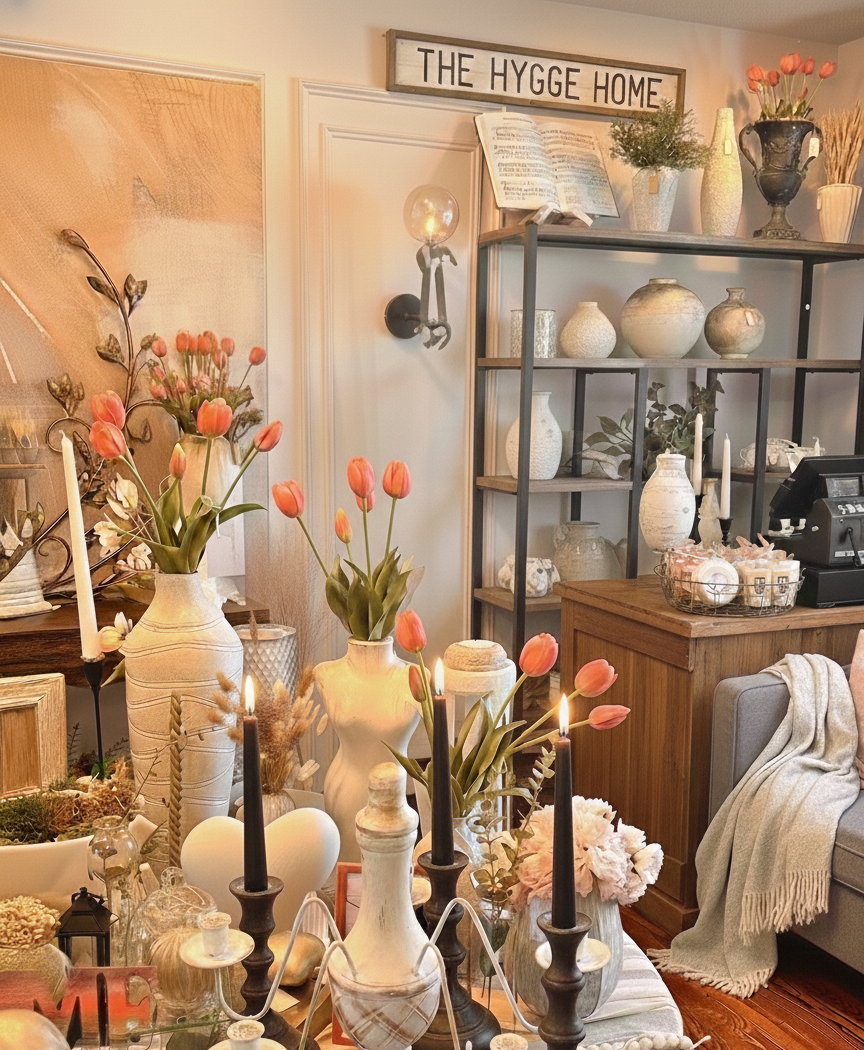
A beautifully styled home does not always look perfectly matched.
In fact, some of the most inviting interiors feel as though they came together gradually over time. A smooth ceramic vase sits beside a textured wooden console. A curved mirror softens the straight lines of a room. Linen, glass, wood, metal, and woven materials appear together without looking forced.
Across Orleans, homeowners are embracing this more collected approach to decorating because it creates spaces that feel personal, warm, and naturally layered.
Instead of choosing every piece from the same collection, they are mixing textures, shapes, and materials to create interiors with more depth and character.
The goal is not perfect coordination.
It is balance.
What Does a Collected Interior Actually Mean?
A collected interior feels as though the pieces were chosen individually because they were loved, useful, or meaningful.
It does not look like everything arrived at the same time.
That might mean combining:
- Modern furniture with vintage inspired accents
- Smooth ceramics with natural wood
- Linen with woven fibres
- Curved decor with straight lined furniture
- Glass with stone inspired finishes
- Matte surfaces with subtle metallic details
These differences are what give the room personality.
When everything matches too closely, a space can sometimes feel flat. A collected home has variation, and that variation creates interest.
Texture Makes Neutral Rooms Feel Richer
One of the biggest reasons Orleans homeowners are layering materials is because texture allows a room to feel interesting without relying on bold color.
A neutral living room might use cream, beige, taupe, and warm brown throughout.
On paper, that palette sounds very simple.
But when those colors appear through different materials, the space becomes much richer.
Imagine combining:
- A linen sofa
- Boucle accent chair
- Wooden coffee table
- Ceramic vase
- Woven rug
- Cotton throw
The colors remain calm, but the textures create depth.
This is what makes a neutral interior feel warm instead of plain.
Mixing Shapes Softens a Room
Take a quick look around almost any room and there will usually be plenty of straight lines.
Windows, doors, televisions, coffee tables, shelving, artwork, and cabinetry are often rectangular.
Introducing curved or organic shapes helps soften all of that structure.
Orleans homeowners are using:
- Round mirrors
- Curved vases
- Circular side tables
- Sculptural lamps
- Rounded accent chairs
- Organic decorative bowls
These shapes create movement and prevent the room from feeling too rigid.
Only a few curved elements are needed to make a noticeable difference.
Wood Brings Warmth to Modern Interiors
Natural wood is one of the easiest materials to introduce into almost any style of home.
It works particularly well in modern interiors because it adds warmth without making the space feel traditional.
A clean, neutral living room can be softened with:
- A wooden coffee table
- Natural wood picture frames
- Decorative trays
- Small stools
- Console tables
Different wood tones do not always have to match perfectly.
The room can actually feel more collected when there is slight variation.
The important thing is that the tones complement one another.
Ceramics Create Quiet Visual Interest
Ceramic decor works beautifully within layered interiors because it adds texture and shape without demanding too much attention.
A matte vase, sculptural bowl, or decorative vessel can create a subtle focal point on a table, console, or shelf.
Orleans homeowners are often choosing ceramics in:
- Cream
- Beige
- Warm brown
- Soft black
- Muted green
- Stone inspired tones
These colors are easy to layer with natural wood, glass, and woven textures.
Ceramics also work well because they can feel both modern and timeless.
Glass Helps Keep the Room Light
When a space includes plenty of heavier textures, glass can provide visual balance.
Glass does not carry the same visual weight as wood or ceramics, which makes it useful in rooms that already contain several solid materials.
Homeowners might introduce glass through:
- Vases
- Coffee tables
- Decorative objects
- Lighting
- Candle holders
A glass element can make a layered room feel lighter without reducing warmth.
Metals Add Definition
Metallic finishes can introduce a small amount of contrast and refinement.
The key is usually moderation.
Black, brass, bronze, or brushed finishes can appear through:
- Lamps
- Mirror frames
- Hardware
- Decorative objects
- Furniture details
These harder finishes create contrast against softer fabrics and natural materials.
A little metal can help define the room while keeping the overall look balanced.
Woven Materials Bring Softness and Character
Woven textures are particularly effective in homes that need warmth.
They introduce a handmade, organic quality that can soften more polished furniture and finishes.
Homeowners can use:
- Woven baskets
- Natural fibre rugs
- Textured planters
- Woven lampshades
- Decorative trays
These materials create visual interest while also being practical.
A basket, for example, can provide storage while contributing to the overall design.
Layering Does Not Mean Clutter
One common misconception is that a collected look means filling the room with lots of items.
It does not.
A layered interior can still feel calm and organized.
The difference is that the few pieces in the room have enough variation to create interest.
For example, a console might only hold three objects:
- A ceramic vase
- A wooden tray
- A glass lamp
That is still layering.
The interest comes from the different materials and shapes rather than the number of objects.
Start With a Simple Foundation
The easiest way to create a collected interior is to begin with a relatively simple foundation.
This might include:
- Neutral walls
- Comfortable furniture
- A versatile rug
- Natural wood
- Simple window treatments
Once that base is established, personality can be introduced through smaller layers.
This prevents the room from becoming visually overwhelming.
It also allows homeowners to change decor gradually over time.
Repeat Materials Throughout the Room
A collected look still needs some consistency.
One way to create it is by repeating materials in small amounts.
If natural wood appears on the coffee table, it might appear again through a frame or decorative bowl.
If black metal appears in a lamp, it might repeat in the mirror frame.
If ceramics appear on the console, another ceramic piece could appear on the shelves.
These repetitions create connection.
They make the different elements feel intentional rather than random.
Use Contrast to Keep Things Interesting
Contrast is one of the most useful tools in layered decorating.
A room becomes more interesting when opposing qualities sit beside each other.
Examples include:
- Smooth beside textured
- Dark beside light
- Hard beside soft
- Curved beside straight
- Matte beside reflective
- New beside vintage inspired
These contrasts give the eye something to notice.
Without them, a room can feel visually flat even when all the furniture is beautiful.
Let One Material Lead
Mixing several materials does not mean they all need equal attention.
Often, a room feels more balanced when one material is dominant.
For example, natural wood might be the main element, supported by ceramic, glass, and linen.
In another room, soft fabrics might dominate, with wood and metal used as accents.
This creates hierarchy and prevents the interior from feeling chaotic.
Artwork Adds Another Layer
Artwork contributes more than color.
It can introduce texture, shape, scale, and personality.
A large abstract piece might bring organic movement into a room.
Framed photography might introduce darker tones.
Textured wall art can add depth without using strong color.
Artwork can also help connect the different materials already present.
A piece containing brown, cream, and black might visually tie together wooden furniture, ceramic accessories, and dark lighting.
Lighting Is Part of the Material Mix
Lighting is often overlooked when discussing materials, but it plays a major role.
A fabric lampshade introduces softness.
A glass base adds transparency.
A metal floor lamp creates structure.
A ceramic table lamp adds texture.
The lighting fixture itself can contribute another material to the room before it is even turned on.
At night, the light then changes how every surrounding texture is perceived.
A Collected Living Room Feels More Personal
Living rooms are ideal places to experiment with layered styling because they naturally contain several furniture pieces and surfaces.
A collected living room might include:
- Neutral upholstered sofa
- Wooden coffee table
- Textured rug
- Glass side table
- Ceramic vases
- Metal lighting
- Woven basket
- Personal artwork
Each element is different, but the colors and proportions keep everything connected.
The result feels relaxed rather than overly coordinated.
Dining Rooms Benefit From Material Contrast
Dining spaces can become visually flat when the table, chairs, lighting, and decor all use similar finishes.
Introducing contrast makes the room more dynamic.
A wooden table might be paired with upholstered chairs.
A sculptural metal pendant can sit above it.
A ceramic centerpiece adds another texture.
A woven rug beneath the table completes the layering.
None of these elements has to be dramatic.
Together, they make the dining area feel much more considered.
Bedrooms Need Softer Layers
Bedrooms usually benefit from a quieter version of the collected look.
Soft materials should take the lead.
Homeowners might layer:
- Cotton bedding
- Linen cushions
- Upholstered headboards
- Wooden bedside tables
- Ceramic lamps
- Woven accents
The variation prevents the room from feeling plain while maintaining the calm atmosphere needed for rest.
Entryways Are Perfect for Mixing Materials
Even a small entryway can benefit from material layering.
A simple arrangement might combine:
- Wooden console
- Metal framed mirror
- Ceramic vase
- Glass lamp
- Woven basket
That is several different materials within a relatively small space, yet it can still feel calm if the color palette remains cohesive.
This makes the entrance feel finished without requiring excessive decor.
Use Vintage Inspired Pieces for Character
A collected interior often feels more interesting when everything does not look brand new.
Vintage inspired pieces can introduce character through shape, finish, and detail.
That might include:
- A traditional lamp
- Decorative tray
- Aged metal finish
- Classic vase
- Framed artwork
These pieces can sit comfortably beside contemporary furniture.
The contrast is often what gives the room depth.
Personal Objects Make Layering Meaningful
The collected look becomes especially effective when some of the objects have personal meaning.
Books, travel finds, family photographs, handmade pieces, and sentimental objects introduce layers that cannot be recreated through decorative purchases alone.
They make the home feel unique.
These pieces do not need to dominate the design.
Even one or two meaningful objects can make the room feel more authentic.
Avoid Matching Sets Everywhere
Matching furniture can be convenient, but too many matching pieces can make a room feel overly coordinated.
Instead of choosing one complete collection, homeowners can mix complementary pieces.
A sofa and accent chair do not need to have identical upholstery.
Side tables do not need to match the coffee table.
Lamps can complement one another without being identical.
This variation creates the impression that the home developed gradually.
Different Heights Create Better Styling
Layered decorating also depends on height.
A group of decorative objects can look flat when everything sits at the same level.
Instead, combine different heights.
For example:
- Tall vase
- Medium stack of books
- Small decorative bowl
This creates visual movement.
The same principle applies across the room, where floor lamps, artwork, plants, tables, and furniture create different levels.
Negative Space Still Matters
One of the most important parts of a collected interior is empty space.
Without it, different materials and textures begin competing with one another.
Leave room around statement pieces.
Allow part of a console to remain clear.
Avoid filling every shelf.
Give artwork enough wall space to breathe.
Negative space allows the layers that are present to become more noticeable.
A Collected Home Can Evolve Naturally
One reason this decorating style is so appealing is that it does not need to be completed immediately.
Homeowners can add pieces gradually.
A room might begin with furniture and a rug.
Later, a mirror is added.
Then a lamp.
Eventually, the homeowner finds a ceramic piece they love or artwork that feels right.
This gradual process creates interiors that often feel more natural because every piece was chosen individually.
Small Seasonal Updates Fit Easily
A layered home is also easy to adjust throughout the year.
Homeowners can change:
- Throws
- Cushions
- Greenery
- Candles
- Small decorative accents
without disrupting the room’s overall foundation.
Natural materials and neutral tones make these changes especially easy.
The home can feel different from season to season while maintaining the same personality.
The Goal Is Harmony, Not Perfection
Mixing textures, shapes, and materials can feel intimidating because there is no exact formula.
That is also what makes it interesting.
The goal is not making every room look perfect.
It is creating enough connection that the differences feel intentional.
If the colors work together, the scale feels balanced, and certain materials repeat subtly throughout the room, a surprising amount of variation can coexist beautifully.
Final Thoughts
Orleans homeowners are embracing textures, shapes, and mixed materials because these elements create homes that feel more personal and naturally layered.
A beautiful interior does not need to be perfectly matched.
Wood can sit beside glass. Ceramic can complement metal. Linen can soften stone inspired finishes. Curved shapes can balance straight furniture. Vintage inspired pieces can sit comfortably beside contemporary ones.
It is those contrasts that create character.
The most successful collected interiors feel as though they developed naturally over time, with every piece adding another small part of the story.
Because a home becomes much more interesting when everything belongs together without having to look exactly the same.

