
Every home has them.
That empty corner beside the window. The narrow wall near the entryway. The unused landing at the top of the stairs. The small space beside a fireplace that never seems quite right.
These areas are often ignored because they feel too small, too awkward, or too difficult to decorate. But across Ottawa, homeowners are starting to see these forgotten spaces differently.
Instead of treating them as leftover areas, they are turning them into thoughtful design moments that make the entire home feel more complete.
The beauty of this approach is that it rarely requires major changes.
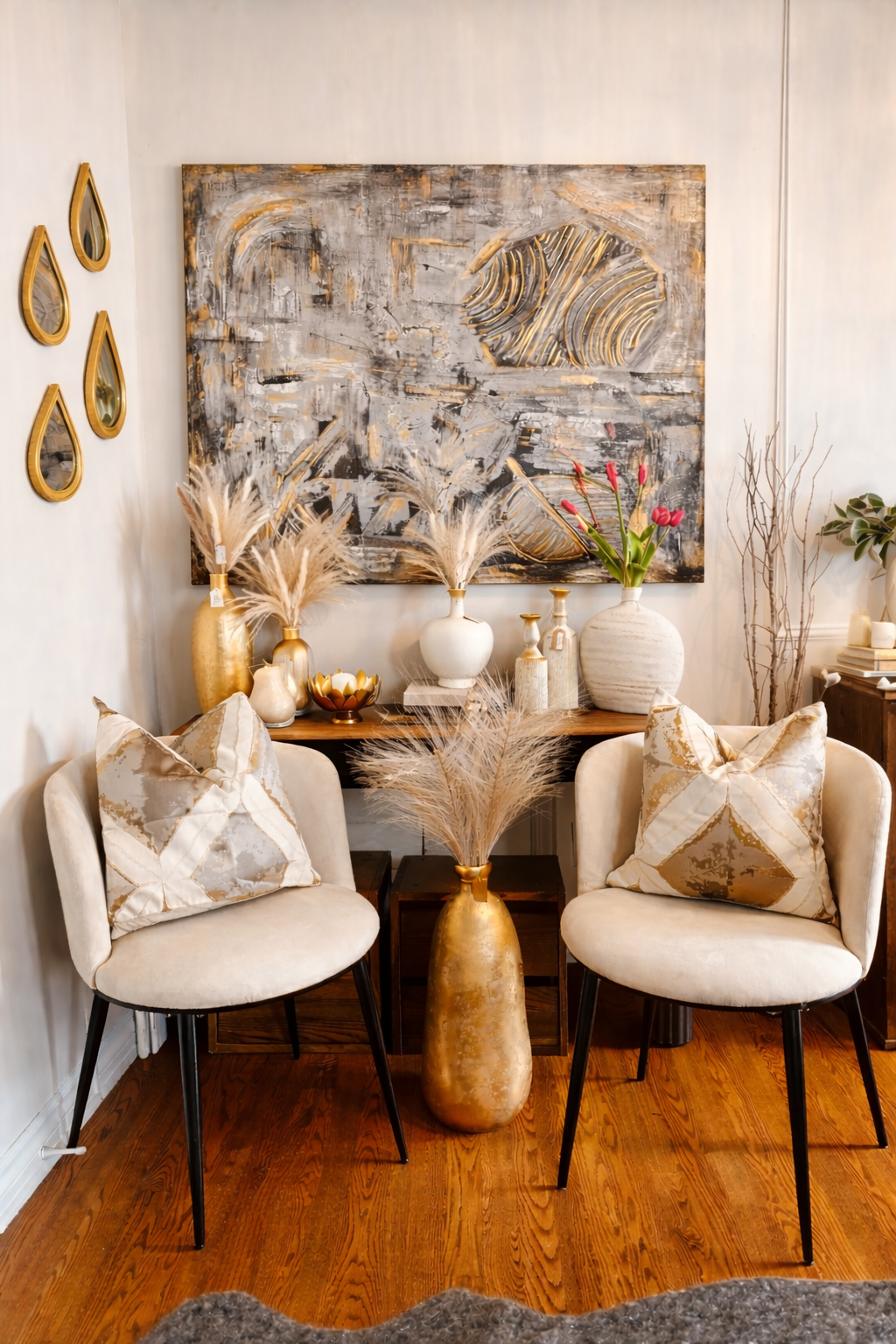
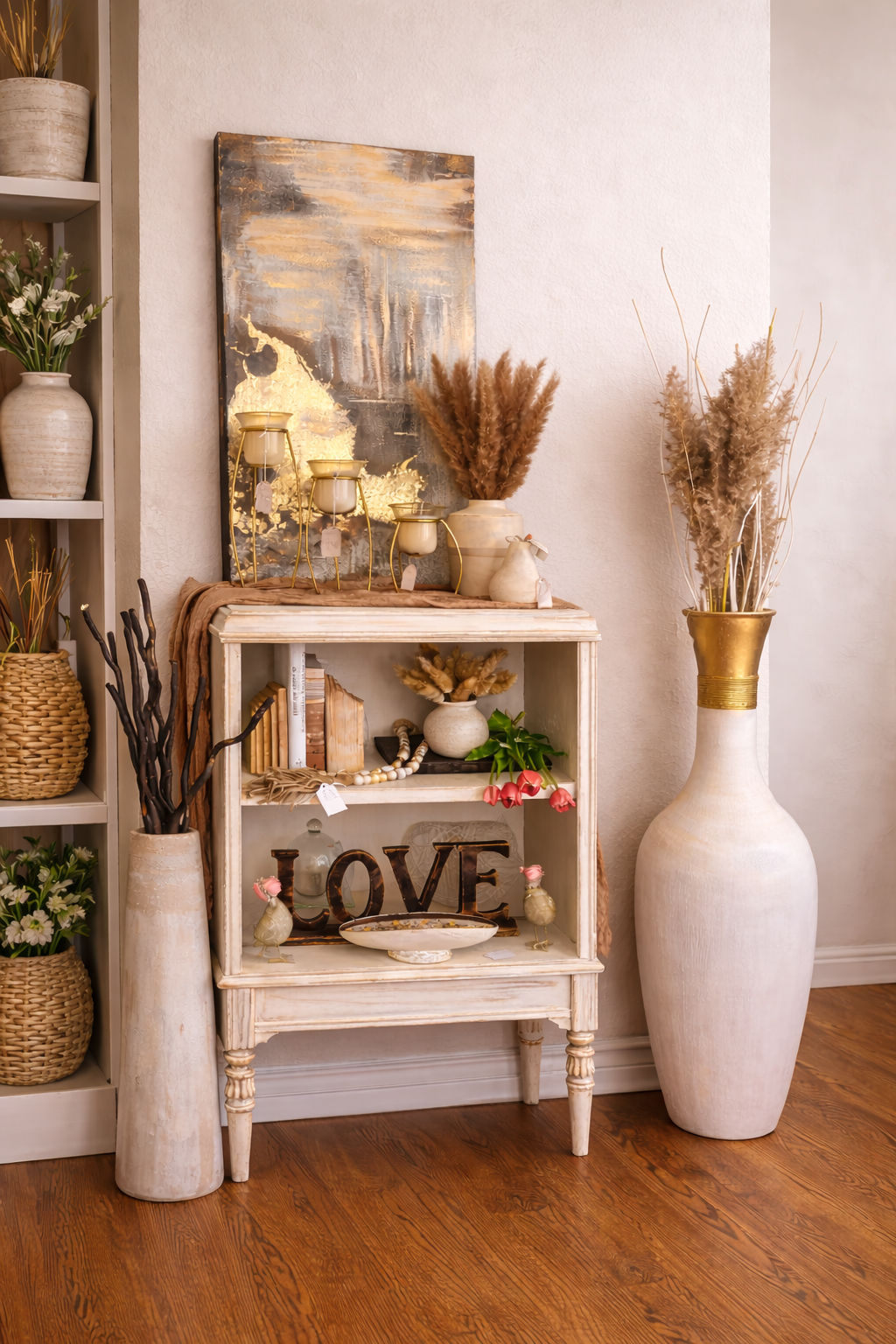
A single floor vase, a narrow console, a sculptural lamp, a chair, a mirror, or a small piece of artwork can be enough to transform an awkward corner into one of the most interesting areas in the room.
The goal is not to fill every empty space.
It is to give the right spaces a purpose.
Why Forgotten Spaces Matter
An empty corner does not always look wrong.
In fact, some empty space is important because it gives a room breathing room.
The challenge comes when a space feels unfinished rather than intentionally open.
Homeowners can usually tell the difference.
An intentional empty space helps surrounding furniture stand out.
An awkward empty space feels disconnected from the rest of the room.
That is when thoughtful styling can make a noticeable difference.
Start With Function Before Decor
Before adding anything, consider what the space could actually do.
Some corners are best suited for decoration.
Others can become useful.
For example, an empty area might become:
- A reading nook
- A small workspace
- A decorative display
- A plant corner
- A storage area
- A quiet seating space
Giving the area a function helps determine what belongs there.
This prevents homeowners from simply adding an object because the corner looks empty.
Turn an Empty Corner Into a Reading Nook
One of the simplest ways to transform an unused corner is to create a reading area.
A comfortable accent chair paired with a floor lamp can completely change how that part of the room feels.
Add a small side table if space allows.
The result is a practical space that also adds warmth.
This works beautifully in living rooms, bedrooms, upstairs landings, or areas near larger windows.
The key is keeping the setup simple.
A chair, lamp, and perhaps one decorative element may be all the space needs.
Use a Tall Floor Vase for Instant Height
Not every empty area can accommodate furniture.
This is where floor vases become especially useful.
A tall decorative vase creates:
- Vertical interest
- Texture
- Shape
- Balance
without taking up much floor space.
It can work beside a fireplace, media unit, console, staircase, or large window.
Some vases look best standing alone.
Others can be styled with branches or dried botanicals to create even more height.
This is one of the easiest ways to make an awkward corner feel intentional.
Let a Large Plant Do the Work
Plants are another simple solution for forgotten spaces.
A tall plant can soften a corner while bringing natural movement into the room.
This works especially well in spaces dominated by straight lines.
A plant introduces:
- Color
- Organic shape
- Texture
- Height
without making the room feel heavily decorated.
It also works with almost every interior style.
For Ottawa homeowners who prefer a warm, natural look, greenery can be one of the most effective finishing touches.
Add a Floor Lamp Instead of More Furniture
A dark corner can feel especially disconnected from the rest of the room.
Sometimes it does not need furniture at all.
It simply needs light.
A floor lamp can bring height and warmth while helping the space feel connected to the rest of the room after sunset.
Sculptural floor lamps can also double as decor.
This approach is especially useful in living rooms where another chair or table would make the space feel crowded.
Style a Narrow Wall With a Console
Some forgotten spaces are not corners at all.
They are narrow stretches of wall that feel too small for large furniture but too noticeable to leave completely empty.
A slim console can work beautifully here.
Style it with:
- A mirror
- A lamp
- A decorative vase
- A small tray
- Artwork
The arrangement can provide function without overwhelming the walkway.
This is particularly effective in hallways and entryways.
Use Mirrors to Open Up Tight Spaces
Mirrors can completely transform awkward areas.
A mirror helps reflect light, create depth, and make smaller spaces feel more open.
In narrow hallways, entryways, or darker corners, this can make a noticeable difference.
A tall mirror can create vertical emphasis.
A round mirror can soften a room with strong rectangular lines.
An oversized mirror can become a focal point on its own.
The best placement usually considers what the mirror will reflect.
If possible, position it to capture natural light, greenery, or another attractive part of the room.
Make an Empty Stair Landing Feel Intentional
Stair landings are frequently overlooked.
They are passed through every day but rarely considered part of the design.
Depending on the available space, a landing might work with:
- A small console
- Artwork
- A mirror
- A plant
- A decorative floor vase
The key is maintaining clear movement.
These spaces should never feel crowded.
One or two well-selected pieces can be enough to make the landing feel connected to the rest of the home.
Add Artwork to Forgotten Walls
Sometimes the awkward area is simply an empty wall.
Artwork can create purpose without using any floor space.
One larger piece often works better than several small pieces, particularly in narrow areas.
A strong piece of artwork can:
- Add color
- Create personality
- Introduce texture
- Establish a focal point
The artwork should feel proportional to the wall.
Too small and it may make the space feel even emptier.
Make Use of the Space Behind a Sofa
The area behind a sofa can sometimes feel forgotten, especially in open layouts.
If there is enough room, a narrow console table can create a beautiful transition.
It can be styled with:
- Table lamps
- Decorative bowls
- Books
- Vases
- Small sculptures
This creates another layer without interfering with the seating area.
It can also help visually separate a living space from a dining area or walkway.
Create a Small Moment Beside the Fireplace
The areas beside fireplaces can be surprisingly awkward.
Too much furniture can distract from the fireplace itself, but leaving both sides completely empty may make the wall feel unfinished.
A tall plant, floor vase, basket, or small accent chair can create balance without competing with the fireplace.
Symmetry is not always required.
One side might include a plant while the other remains open.
The overall room simply needs to feel balanced.
Use Decorative Baskets for Beauty and Function
Some forgotten spaces can become useful storage areas without looking purely practical.
A beautiful basket can hold:
- Throws
- Children’s toys
- Magazines
- Extra cushions
while also introducing texture.
Baskets work especially well beside sofas, fireplaces, benches, and consoles.
They help solve everyday storage problems while contributing to the overall design.
Turn an Unused Dining Corner Into a Display Area
Dining rooms sometimes have an unused corner that does not need another chair or cabinet.
A simple display area can complete the room.
This might include:
- A tall vase
- A pedestal
- A floor lamp
- A plant
- A sculptural object
Keeping the arrangement minimal helps maintain the openness of the dining area.
Give the Bedroom Corner a Purpose
Bedrooms often have corners that feel unfinished.
Instead of automatically adding another dresser, consider a softer option.
A bedroom corner could become:
- A reading chair
- A vanity area
- A plant display
- A floor lamp moment
- A decorative vase feature
Bedrooms benefit from calm styling, so one element is often enough.
Use Pedestals for Sculptural Decor
A pedestal can turn a decorative object into a true focal point.
This is useful for spaces that need visual interest but cannot support bulky furniture.
A ceramic vessel, sculpture, or decorative bowl displayed on a pedestal immediately feels more intentional.
It also introduces height variation into the room.
This approach can work beautifully in entryways, living rooms, dining spaces, and hallways.
Don’t Ignore the Space Under the Stairs
The area beneath a staircase can become one of the most interesting spaces in the home.
Depending on the layout, it can be used for:
- A console
- Storage
- Artwork
- A bench
- Decorative styling
A mirror or artwork above a slim console can make the area feel sophisticated without requiring structural changes.
The important thing is to work with the shape of the space rather than fighting it.
Create Better Balance With Height
Sometimes a forgotten space feels awkward because everything nearby sits at the same height.
Introducing one taller element can fix the balance.
That might be:
- A tall floor lamp
- A large plant
- A vertical mirror
- A statement vase
- Tall artwork
Height draws the eye upward and helps the space feel more dynamic.
This is especially effective in rooms with higher ceilings.
Let Texture Do the Decorating
If the area is small, it may not need several objects.
One textured piece can create enough visual interest.
A woven basket, ceramic vessel, natural wood stool, or boucle chair can make a corner feel complete without adding clutter.
Texture is particularly effective in neutral interiors because it creates depth without introducing more color.
Keep Walkways Clear
One of the biggest mistakes when decorating awkward spaces is trying too hard to fill them.
If an area is part of a natural walkway, adding furniture may make the room less functional.
Always consider movement first.
A space should never look better at the cost of becoming difficult to use.
Wall-mounted artwork, mirrors, or lighting may be a better solution when floor space is limited.
Style With the Rest of the Room in Mind
An awkward corner should feel like part of the room, not a separate decorating project.
Repeating colors, textures, or materials helps create continuity.
If the living room already includes warm wood, ceramic decor, and black accents, the corner can echo one or two of those details.
This creates connection without making everything match.
Avoid Filling Every Corner
Not every corner needs decoration.
Some should remain open.
The goal is not to eliminate every empty area.
It is to identify the spaces that genuinely feel unfinished.
Open space can:
- Make rooms feel larger
- Highlight focal points
- Improve movement
- Reduce visual stress
Sometimes the best styling decision is leaving a corner exactly as it is.
Awkward Spaces Can Become Personality Moments
Small forgotten areas are often ideal places to introduce something unexpected.
A homeowner may be more willing to use an unusual vase, playful artwork, vintage object, or bold lamp in a smaller area.
These little moments make a home more memorable.
They also create opportunities to show personality without changing the main style of the room.
Keep the Styling Proportional
Scale matters.
A very large object can overwhelm a small corner.
A tiny accessory can disappear within a large empty space.
Consider the dimensions of the area before choosing anything.
A narrow hallway may need a slim console.
A tall living room corner might support a large plant or vase.
A small bedroom corner may only need a lamp and chair.
Getting the proportion right makes the styling feel natural.
Use Lighting to Highlight the Final Result
Once the corner is styled, lighting can help it stand out.
A small lamp, directional light, or nearby floor lamp can draw attention to artwork, decor, or greenery.
This becomes particularly effective in the evening.
A previously forgotten area can suddenly become one of the warmest and most inviting parts of the room.
Let the Home Evolve Slowly
There is no need to solve every awkward space immediately.
Sometimes the best approach is living with the area for a while.
Over time, homeowners may discover how they naturally use it.
A corner originally intended for decor might become the perfect reading area.
An empty wall might eventually become home to meaningful artwork.
Allowing these decisions to develop gradually often creates more personal interiors.
Final Thoughts
From empty corners and narrow hallways to stair landings and forgotten walls, Ottawa homes are filled with spaces that have more potential than homeowners may initially realize.
The key is not filling every area simply because it is empty.
It is finding the right balance between function, decoration, and open space.
A statement floor vase, large mirror, comfortable chair, plant, slim console, sculptural lamp, or meaningful piece of artwork can completely change how an awkward area feels.
Across Ottawa, Gloucester, Orleans, Nepean, Vanier, and Navan, homeowners can use these small styling opportunities to create homes that feel more complete without adding unnecessary clutter.
Because some of the most elegant areas in a home begin as the spaces nobody knew what to do with.